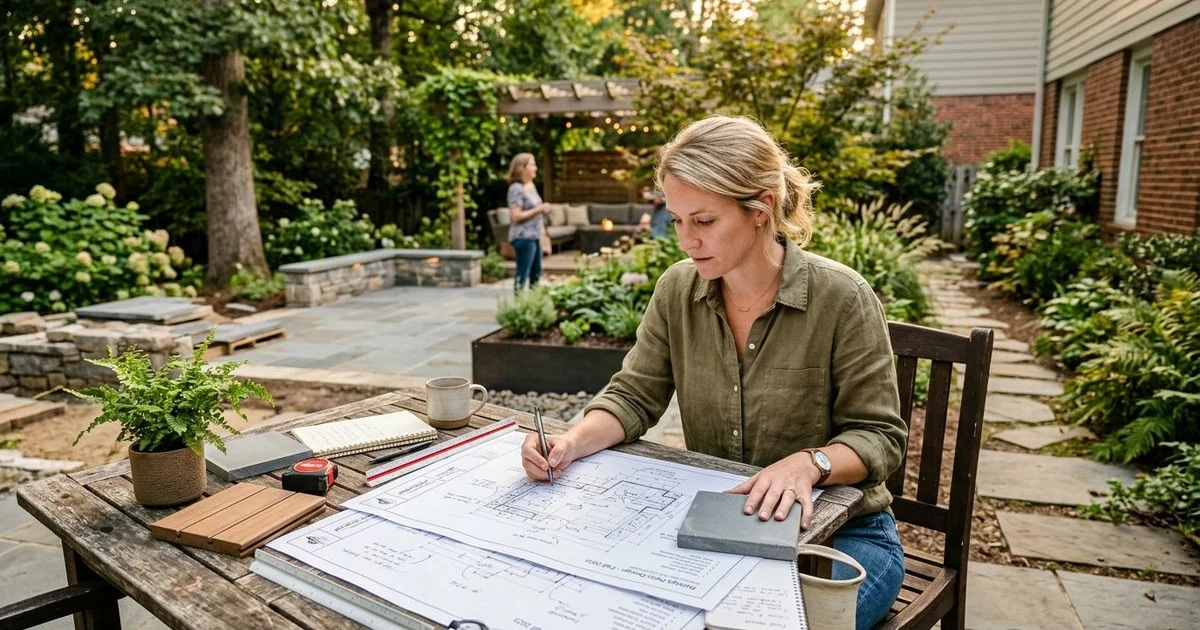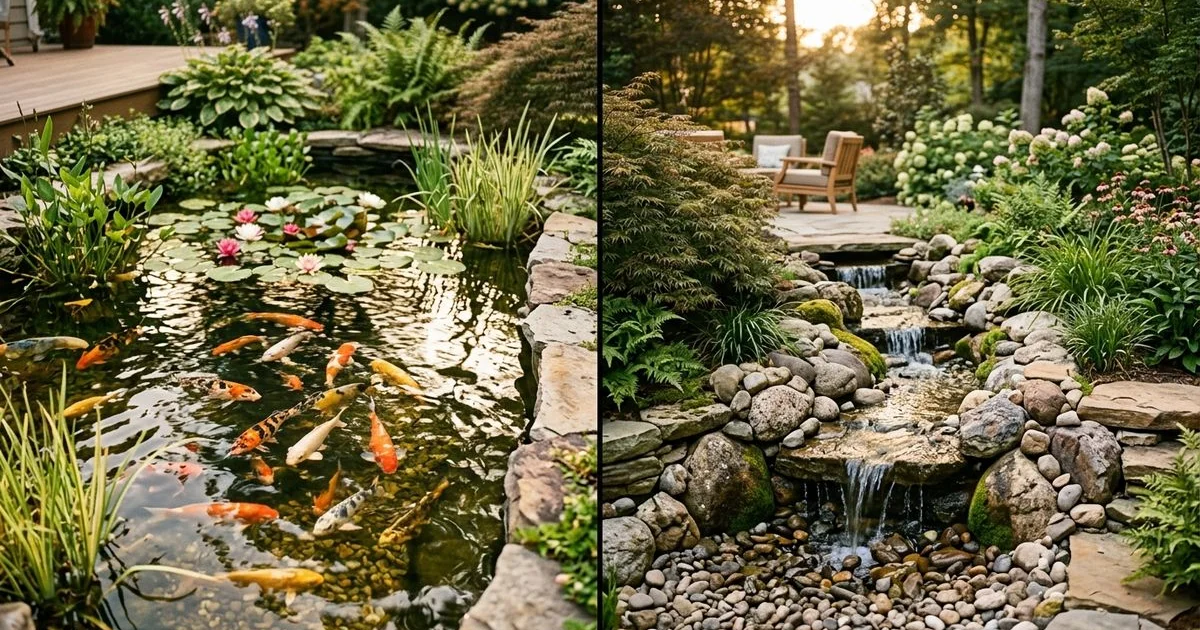
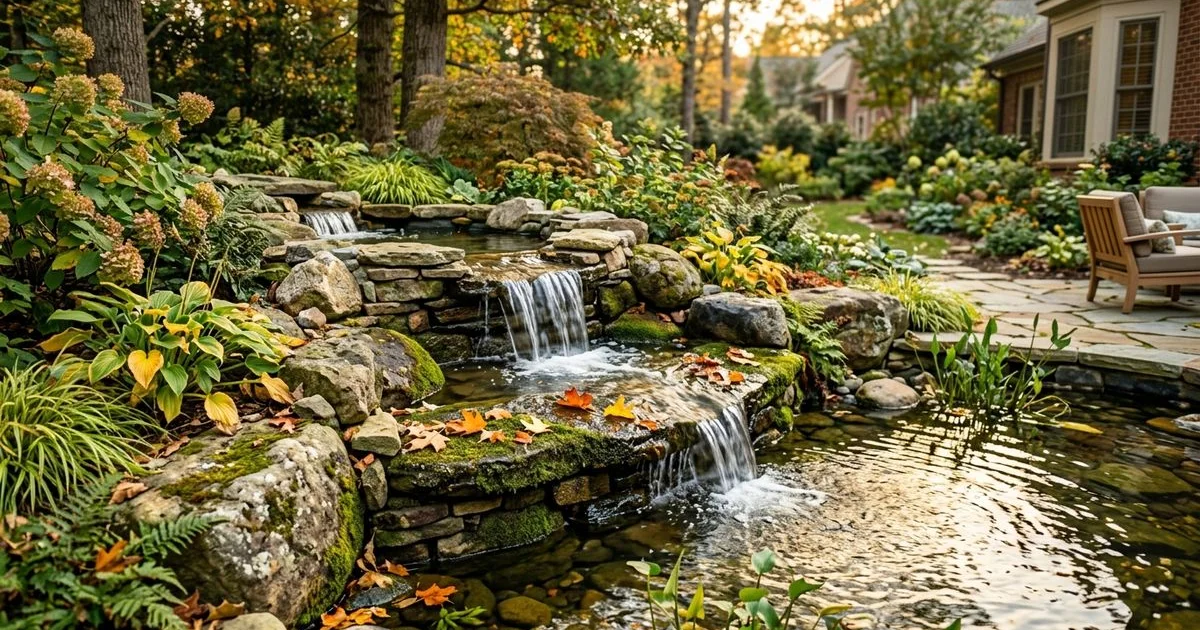
A backyard water feature is unlike any other element in your landscape. It is not a static installation that you can simply admire and forget. Whether you have a koi pond, a pondless waterfall, or a decorative fountain, you are managing a living system with mechanical components, water chemistry, and biological processes that all need attention throughout the year.
The Triangle area’s four-season climate creates a distinct set of challenges for water feature owners. Hot, humid summers push algae growth and deplete dissolved oxygen. Fall buries ponds under layers of organic debris. Winter freeze-thaw cycles threaten pumps and plumbing. Spring brings the critical reset that determines how well your feature performs for the rest of the year.
This guide covers the specific seasonal tasks that keep water features healthy, clear, and running smoothly across every month.
Why Seasonal Timing Matters
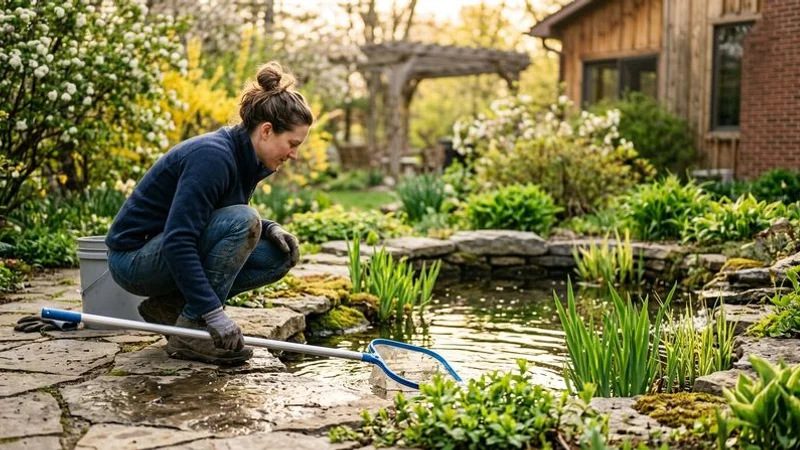
Many homeowners treat water features the way they treat a paver patio or a retaining wall, checking in occasionally and assuming everything is fine. That approach leads to murky water, stressed fish, damaged pumps, and expensive repairs. The key to avoiding those outcomes is aligning your maintenance with the specific demands of each season rather than reacting to problems after they appear.
Every task in this guide is tied to a seasonal trigger, usually water temperature, ambient conditions, or biological activity. Following the calendar keeps you ahead of issues instead of chasing them.
Spring: Setting the Foundation for the Year
The work you do in March and April determines how your water feature performs through summer and beyond. A thorough spring startup prevents cascading problems that would otherwise escalate during the hottest months.
Full System Inspection
Before restarting the pump, inspect every component carefully. Check the liner for punctures or displacement that may have occurred during winter freezing. Examine electrical connections for moisture intrusion or corrosion. For koi ponds, observe overwintered fish for signs of stress, including damaged fins or lethargic behavior that warrants attention before the active season.
Test your baseline water chemistry immediately using an API Pond Master Water Test Kit. This kit measures pH, ammonia, and nitrites, giving you a clear picture of conditions before you add supplements, restart filtration, or begin feeding fish.
Deep Cleaning and Refilling
Spring cleaning means removing the accumulated sludge and debris of fall and winter. For koi ponds, partially drain the pond, clean the biological filter media, and rinse away organic buildup from the bottom. When refilling with municipal water, always apply a strong dechlorinator like Seachem Prime. This product instantly neutralizes chloramine and toxic ammonia. Raleigh’s treated tap water is lethal to fish and beneficial bacteria without proper conditioning.
For pondless waterfalls, remove the decorative stone layer from the basin and clean the pump intake screen. Check the waterfall stone arrangement for shifting and reset any displaced rocks to restore proper water flow.
Rebuilding the Biological Filter
If the biological filter was shut down over winter, the beneficial bacteria colony has diminished significantly. Rebuilding it takes patience. Add a bacterial supplement to jumpstart colonization and monitor ammonia levels closely for the first four to six weeks.
Water temperature guides your feeding schedule. Pond water in the Raleigh area typically reaches the 50-degree threshold for safe feeding in mid to late March. Start with a cold-water, wheat germ-based formula that fish digest easily at lower temperatures. Transition to regular food once temperatures consistently exceed 60 degrees.
Summer: Managing Heat, Algae, and Oxygen
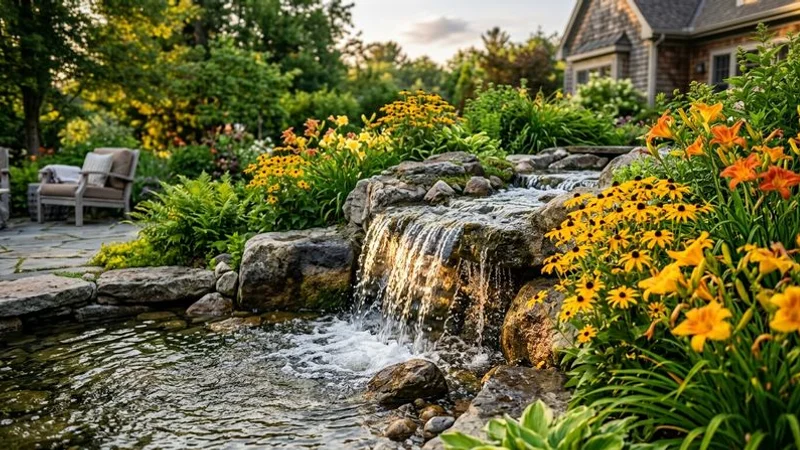
Summer is the most maintenance-intensive season for water features across the Triangle. High temperatures, intense sunlight, and humidity create conditions that accelerate algae growth and reduce dissolved oxygen. Weekly attention during these months prevents small issues from becoming serious problems.
Controlling Algae Before It Takes Over
Prevention is far more effective than treatment when it comes to algae. Adequate plant coverage in koi ponds shades the water surface and competes with algae for available nutrients.
Barley straw extract, such as the widely available CrystalClear formula, offers an excellent natural deterrent. The decomposition process releases compounds that inhibit algae growth safely without harming fish. Apply these treatments in early spring before algae establishes itself for best results.
Keeping Water Levels Stable
Evaporation during summer can lower water levels by up to two inches per week. In a standard 10-by-10-foot pond, that translates to roughly 125 gallons lost each week. Dropping levels stress pump equipment and concentrate waste products to potentially dangerous concentrations.
Check levels at least twice weekly and top off as needed. Automatic top-off valves are available for homeowners who prefer a hands-off approach. Always apply dechlorinator when adding municipal water to a koi pond.
Ensuring Adequate Oxygen
Warm water holds less dissolved oxygen than cool water. At 80 degrees Fahrenheit, pond water reaches maximum oxygen saturation at just 8.0 milligrams per liter. Koi need a minimum of 5.0 milligrams per liter to survive. During a summer heatwave, the margin between safe and dangerous levels becomes razor thin.
Fish gasping at the surface is a clear sign of oxygen deprivation. An air pump with a diffuser stone placed on the pond bottom provides critical supplemental oxygenation. Running the waterfall pump continuously during summer maximizes oxygen exchange at the surface and prevents thermal stratification in deeper ponds.
Fall: Defending Against Leaf Season
The volume of leaves, pine needles, and organic material that drops into an uncovered water feature during fall can overwhelm the system in a matter of weeks. Proactive management during this window saves enormous effort later.
Netting Your Feature
Installing leaf netting is the single most effective fall maintenance step. In the Raleigh area, place netting in late October and remove it in early December. The net catches falling leaves before they sink, decompose, and release tannins that lower pH and fuel algae.
Use a heavy-duty net with 3/8-inch mesh. That size is tight enough to catch small pine needles but open enough to allow sunlight through to aquatic plants. Clear accumulated debris from the net regularly to maintain airflow.
Tapering Fish Feeding
As water temperatures drop through fall, koi metabolism slows. Switch to a cold-water formula when water drops below 60 degrees. Stop feeding entirely once temperatures consistently fall below 50 degrees. Overfeeding in late fall is a common and costly mistake. Uneaten food sinks to the bottom, decomposes, and produces toxic ammonia that accumulates through winter. More fish are lost to late-season overfeeding than to cold temperatures themselves.
Winterizing Equipment
Clean all filter media thoroughly during fall, since a dirty filter loses efficiency during low-flow winter months. Inspect the pump for wear and replace any deteriorating components. For fountains or features you plan to shut down entirely, drain all plumbing lines. Standing water trapped in pipes will freeze and crack during winter, leading to expensive spring repairs.
Winter: Minimal but Critical Attention
Winter is the quietest season for water feature maintenance, but the occasional hard freeze still demands periodic checks.
Preventing Freeze Damage
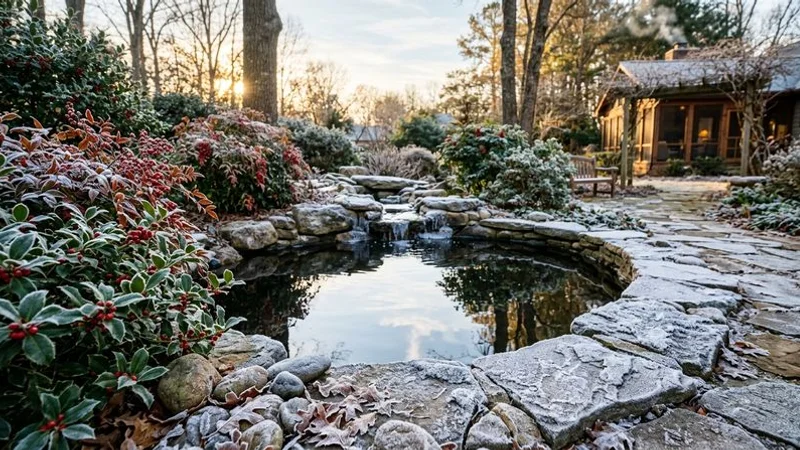
Temperatures in the Triangle typically drop below freezing on twenty to thirty nights per year. These brief freeze events can destroy pumps and crack plumbing if the system is unprepared. For koi ponds that remain operational through winter, keep the pump running. Moving water resists freezing more effectively than still water.
Deploy a 300-watt floating pond de-icer, such as the K&H Pet Products model, to maintain an open hole in the ice surface. This opening allows harmful gases to escape the water column. Gas exchange is essential for the survival of overwintering fish.
Weekly Visual Checks
Even during dormancy, check koi ponds weekly to confirm the pump is running and the de-icer is functioning. Never break ice by striking it. The shock waves from impact can severely injure dormant fish resting on the bottom.
Do not feed fish during winter. Koi enter a natural torpor state below 50 degrees. Their digestive systems essentially shut down, making food harmful rather than helpful.
Monthly Maintenance Checklist
Regardless of season, certain tasks belong on a regular monthly schedule:
- Check pump intake screens: Remove debris that could stress the motor.
- Test water chemistry: Use your API kit for ammonia, nitrite, and pH readings.
- Inspect water levels: Top off and apply Seachem Prime to neutralize chlorine.
- Treat algae early: Apply barley extract at the first sign of green water.
- Inspect plumbing: Look at all visible connections and valves for slow leaks.
When Professional Help Makes Sense
Routine maintenance is well within most homeowners’ abilities. Certain situations still call for professional expertise. Persistent water quality issues often point to a design flaw that requires diagnosis beyond simple testing. Major leak detection and repair benefits from specialized equipment. According to 2026 pricing data from Angi, professional pond liner leak repairs average between $125 and $800. Attempting a large repair without proper tools often causes complete liner failure, pushing replacement costs above $1,000. Structural repairs to stone work or filtration systems are best left to contractors who understand water feature engineering.
Keep Your Water Feature Performing Beautifully
A well-maintained water feature provides decades of enjoyment and adds meaningful value to your home. The maintenance commitment is highly manageable once you understand the seasonal rhythm and stay ahead of the calendar.
Hardscapes Raleigh connects homeowners with experienced water feature professionals throughout the Triangle area. Whether you need help with seasonal upkeep or you are considering adding a new installation to your backyard, schedule a consultation with our team to discuss your property and goals.