A fire pit turns an underused patio into the centerpiece of your outdoor living. With mild winters and pleasant fall evenings, properties across the Triangle region can host gatherings around a fire feature for the better part of the year. The key is selecting the right design for your lot, your lifestyle, and local building requirements.
This guide covers eight distinct fire pit styles, from rustic fieldstone rings to architectural fireplaces, along with practical details on materials, regulations, and installation.
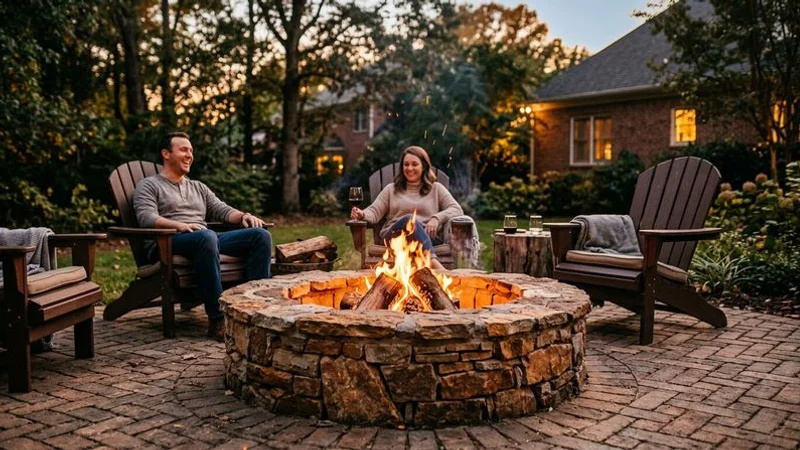
1. Classic Natural Stone Fire Pit
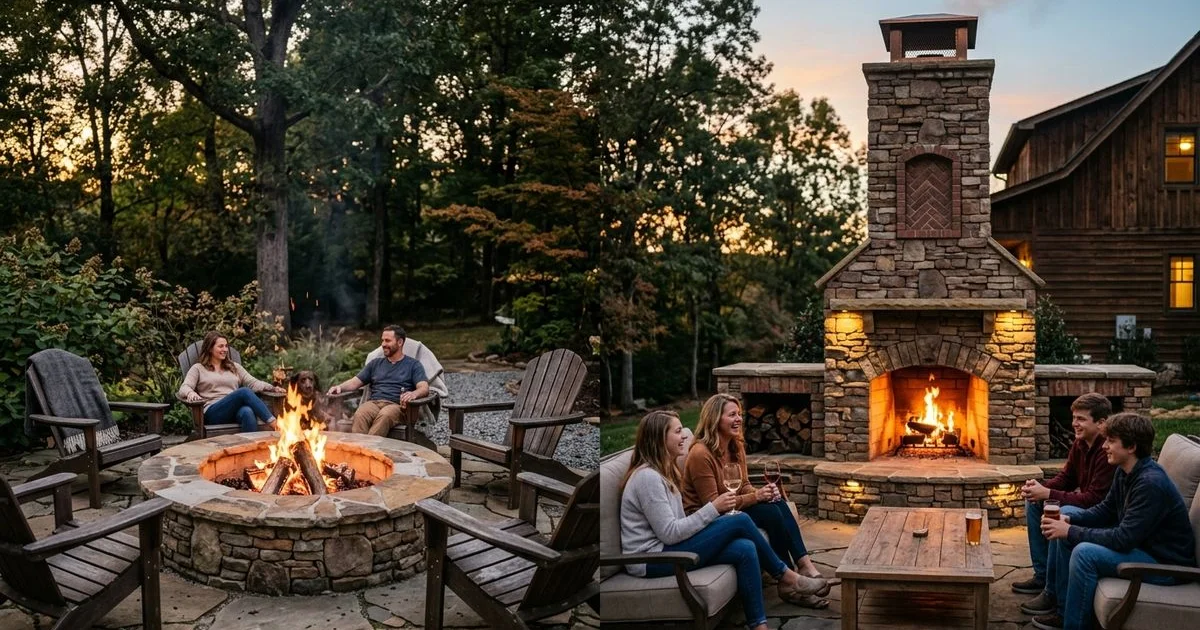
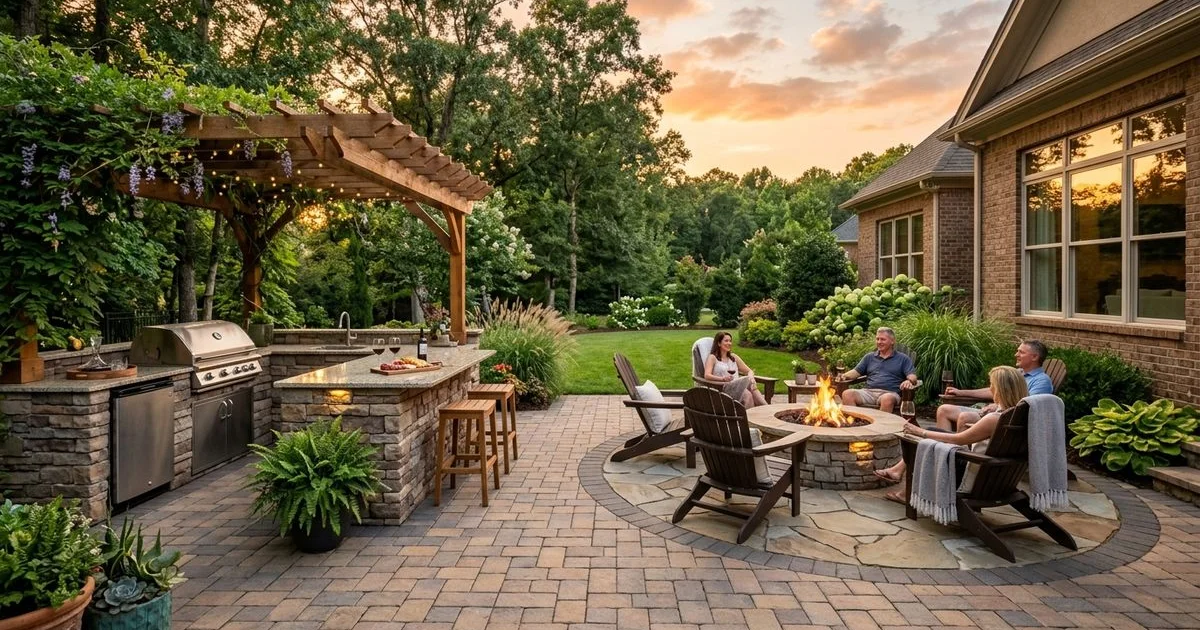
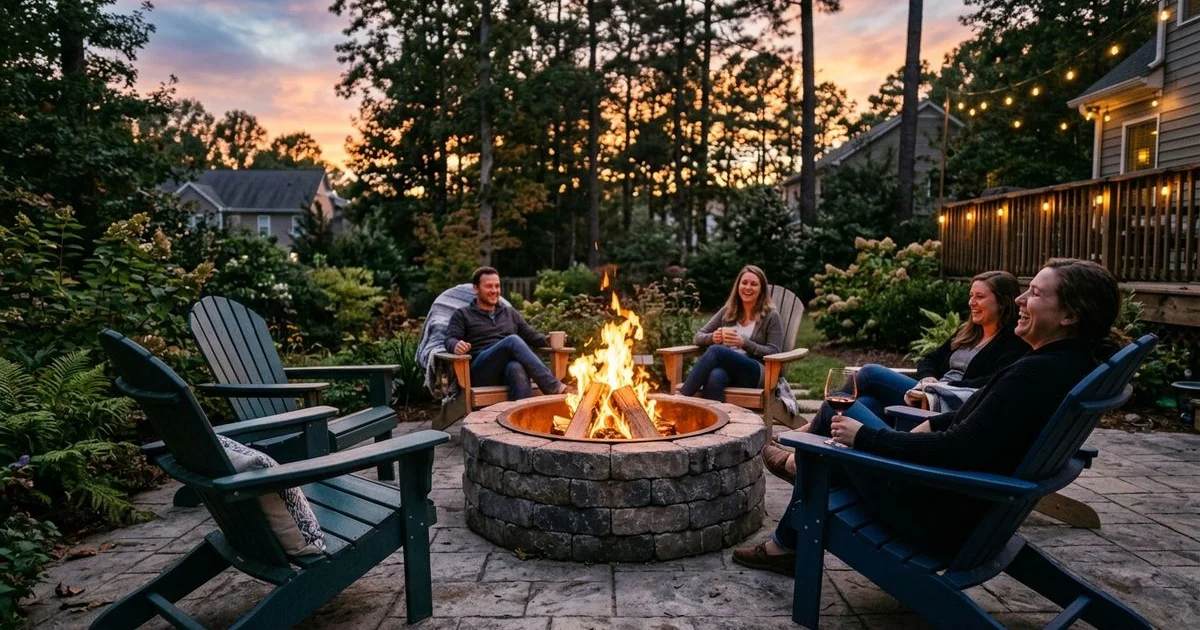
Natural stone remains the most requested material for custom fire features across the region. Fieldstone, bluestone, and stacked slate create an organic, timeless look that fits easily into established neighborhoods. These materials handle sustained high heat without cracking or spalling.
Western North Carolina quarries produce exceptional flagstone in muted gray and brown tones that blend naturally with Piedmont landscapes. The interior should always use fire-rated brick to prevent direct flame damage to the natural stone face.
A few essential guidelines keep a wood-burning stone pit safe and long-lasting:
- Burn only seasoned hardwoods like oak and hickory, which produce fewer flying embers than softwoods.
- Keep all combustible materials entirely clear of the perimeter.
- Include a smooth capstone ledge on top for a finished, functional edge.
Handcrafted stone fire pits offer a character that manufactured block kits simply cannot replicate. The irregular shapes and natural color variation mean no two projects look alike.
2. Modern Gas Fire Table
Gas fire tables deliver instant ambiance without wood storage, ash cleanup, or smoke management. These linear units sit at table height and use decorative glass media or lava rock to conceal the burner. The clean, contemporary aesthetic works particularly well on newer properties.
Gas features also sidestep seasonal burn restrictions that apply to open wood fires. During high-risk dry spells, wood-burning is strictly prohibited, but gas tables produce zero smoke and zero particulate emissions.
| Project Factor | Cost / Detail | Impact on Installation |
|---|---|---|
| Trenching Labor | $15 - $25 per linear foot | Longer distances increase the project budget significantly. |
| Obstacles | Varies by site | Going under existing concrete or decks adds labor time. |
| Permitting | Mandatory | Local inspectors must test the line pressure before burial. |
Upgrading to Warming Trends CROSSFIRE brass burners produces a taller, fuller flame compared to standard stainless steel rings. The convenience of igniting a fire with a single button press makes these units popular for busy professionals across Raleigh.
Professional trenching for a dedicated gas line is essential. Current data shows this utility extension averaging between $15 and $25 per linear foot. The upfront investment pays off through decades of reliable, low-maintenance operation.
3. Sunken Fire Pit
Sunken fire pits create a distinct sense of enclosure by placing the seating area below grade. Guests step down into a dedicated lounge space, and the lower elevation forms a natural windbreak for breezy evenings. This design works especially well on properties with existing grade changes.
The biggest engineering concern is water management. The clay-heavy soils common throughout Wake County drain slowly after heavy rain. A sunken space without proper engineering turns into a pond after any significant storm.
“Proper drainage transforms a sunken fire pit from a potential flooding hazard into a permanent, all-weather sanctuary.”
Heavy-duty NDS catch basins and deep gravel French drains installed beneath the seating area capture standing water and channel it safely away from the home’s foundation. You must also maintain the standard 10-foot safety distance from the house when positioning the pit.
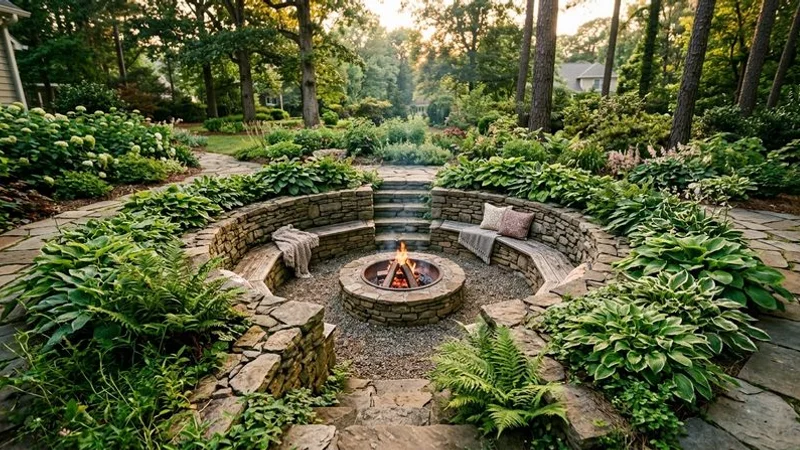
The retaining walls around the sunken area serve double duty as permanent bench seating, maximizing usable space while stabilizing the surrounding soil. The finished result feels like a private retreat tucked into your own backyard.
4. Fire Pit with Integrated Seating Wall
Curved stone seating walls wrapped around a central fire ring solve the constant problem of dragging heavy patio furniture across pavers. The wall defines the gathering zone and provides permanent, weather-resistant seating that never needs to be stored for winter.
The standard build specifies a wall height of 18 to 20 inches for maximum comfort. A critical safety metric is leaving exactly 36 to 48 inches of walkway space between the bench and the fire ring, providing adequate legroom while keeping everyone warm.
| Feature | Integrated Seating Wall | Freestanding Furniture |
|---|---|---|
| Durability | Lasts decades with zero weather damage. | Cushions require storage; metal may rust. |
| Capacity | Seats 8 to 12 people easily. | Limited to the number of chairs purchased. |
| Maintenance | Occasional power washing. | Regular cleaning and winter storage needed. |
A smooth capstone finish on these walls retains heat beautifully on cool evenings and transforms an open patio into a highly functional outdoor room.
5. Dual Fire and Water Feature
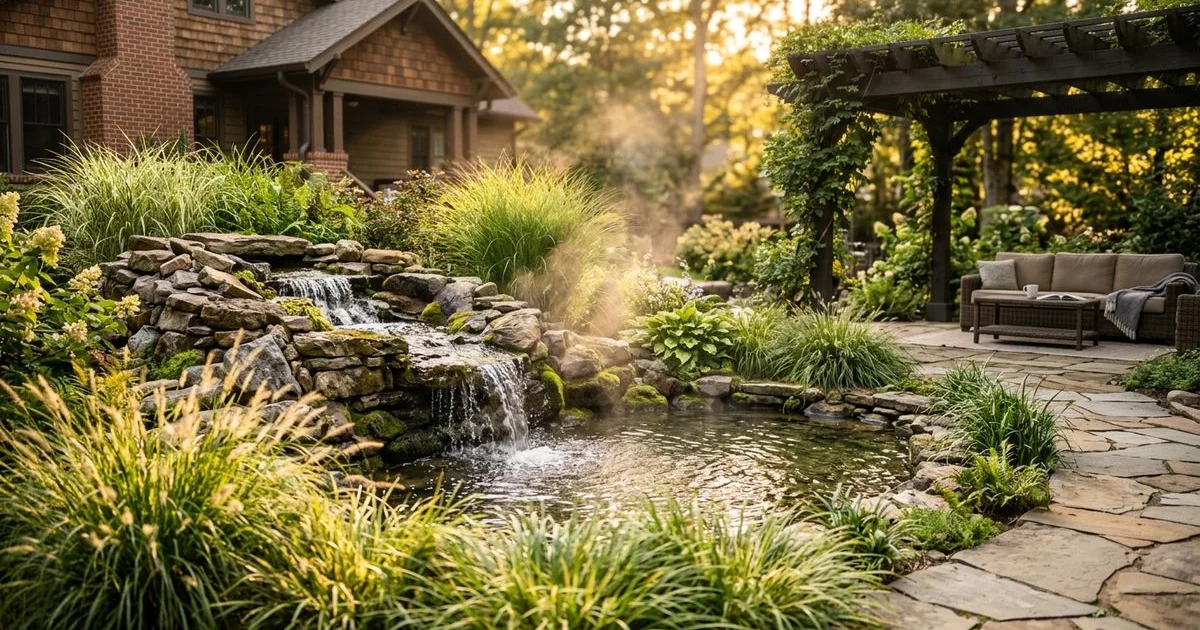
Combining fire and water creates a multisensory backyard experience that immediately captures attention. A raised fire bowl paired with a lower reflecting pool produces both visual drama and the relaxing sound of moving water. The gentle trickling helps mask neighborhood noise, especially in areas near busy streets.
These hybrid installations require careful coordination of utility lines. The gas piping and water circulation system must operate entirely independently of each other. Local codes typically require a dedicated GFI electrical circuit to power the water pump.
Here are three essential components for fire and water combinations:
- Independent shut-off valves: Gas and water lines need dedicated emergency controls.
- Debris filters: Skimmers prevent leaves from clogging the water pump intake.
- Wind guards: Glass shields keep the gas flame from blowing out near the falling water.
Specifying a dark interior finish for the water basin enhances the fire’s reflection, creating the illusion that flames are dancing directly on the water’s surface.
6. Cooking Fire Pit with Removable Grate
Turning an open fire pit into a cooking station is straightforward with a heavy-duty removable grate that sits securely over the flames. You can grill steaks, vegetables, or skewers over real hardwood, then remove the cooking surface later for a standard evening fire.
The grilling grate should be 304-grade stainless steel. Standard carbon steel rusts rapidly in the humid Southern climate. The fire ring itself needs a minimum 36-inch diameter to provide an adequate cooking zone.
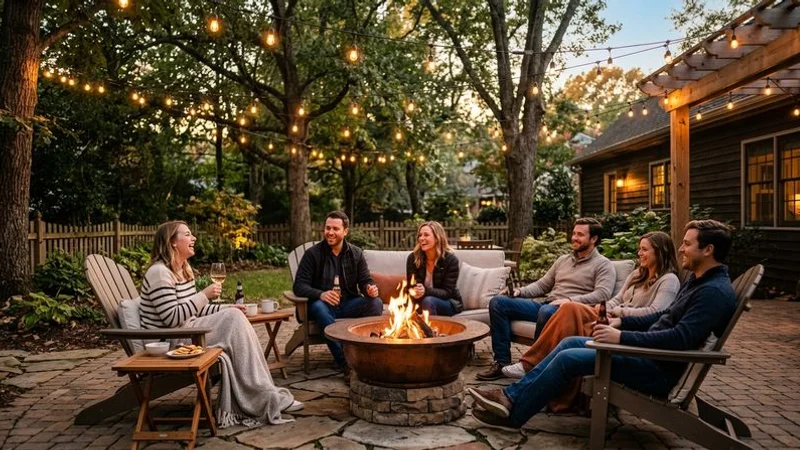
Always burn dry, seasoned hardwood when cooking food. Burning construction scrap or yard waste is illegal under local ordinances and will ruin the flavor of your meal. The communal experience of cooking over a real fire draws guests together in a way that a standard gas grill cannot match.
“Wood-fired grilling over a backyard pit changes the entire dynamic of a dinner party, making the preparation just as engaging as the meal itself.”
Custom stone ledges built specifically for grilling tools and platters keep your workspace organized right at the edge of the heat. A dual-purpose cooking and gathering feature saves the expense of building a complete outdoor kitchen.
7. Minimalist Concrete Fire Bowl
Precast concrete fire bowls deliver a clean, sculptural aesthetic for properties that favor modern design. These units strip the fire pit concept down to a simple vessel holding a bright gas flame. They contrast beautifully against organic landscape elements and leafy green backdrops.
Glass-fiber reinforced concrete (GFRC) is the preferred material. This modern composite is much lighter than standard poured concrete while resisting winter freeze-thaw cracking. Even so, these bowls weigh between 200 and 500 pounds, requiring a solid, reinforced paver foundation.
Key advantages of precast fire bowls:
- Space efficiency: A 30-inch bowl leaves plenty of room for foot traffic.
- Clean operation: Gas fuel keeps nearby walls and surfaces perfectly clean.
- Instant control: Flame height adjusts instantly with a hidden key valve.
- Color matching: Custom tints match any existing exterior color scheme.
The fire bowl functions as a piece of functional yard art, looking striking even when unlit during summer afternoons. The structural simplicity guarantees it will never go out of style.
8. Grand Outdoor Fireplace with Flanking Walls
A full outdoor fireplace serves as the architectural focal point of a premium backyard. Flanking stone walls extend outward to define the edges of your outdoor living room. These structures provide the kind of mass and permanence that anchors an entire property.
North Carolina building codes mandate official permits and detailed structural footings for anything of this scale. A stone chimney cannot be built without proper concrete foundation support, and local code enforcement will inspect the project at multiple stages.
| Feature | Grand Outdoor Fireplace | Standard Fire Pit |
|---|---|---|
| Heat Direction | Pushes heat forward into the seating area. | Radiates heat outward in a 360-degree circle. |
| Smoke Control | A tall chimney drafts smoke up and away. | Wind can blow smoke directly into faces. |
| Visual Impact | Creates a massive, structural focal point. | Blends more subtly into the patio surface. |
Custom wood storage niches built directly into the flanking walls keep dry logs organized and visually appealing next to the hearth. The resulting backdrop increases property value significantly.
Choosing the Right Fire Pit for Your Property
Planning starts with mapping property lines and existing structures. Maintain a minimum 10-foot clearance from the house for any open flame feature. Low-hanging branches and nearby wooden fences must also factor into the placement strategy.
Compliance checks ensure you stay within local fire ordinances. Violating a North Carolina seasonal burn ban currently carries a $100 fine plus $183 in court costs. Gas fire tables bypass many of these restrictions, making them a safe long-term choice for properties in Raleigh and across the Triangle.
Core planning factors to review:
- HOA guidelines: Many associations strictly prohibit wood-burning units.
- Soil grading: Proper leveling is mandatory for safe gas line trenching.
- Primary usage: Determine if you prioritize cooking, heat, or visual ambiance.
Ready to Design Your Fire Pit?
Hardscapes Raleigh helps homeowners select and build the right fire feature for their property and lifestyle. Whether you prefer the rustic warmth of a stone pit or the convenience of a modern gas table, the right design will have you spending more evenings outdoors. Schedule a design consultation and let us help you create the perfect gathering space.