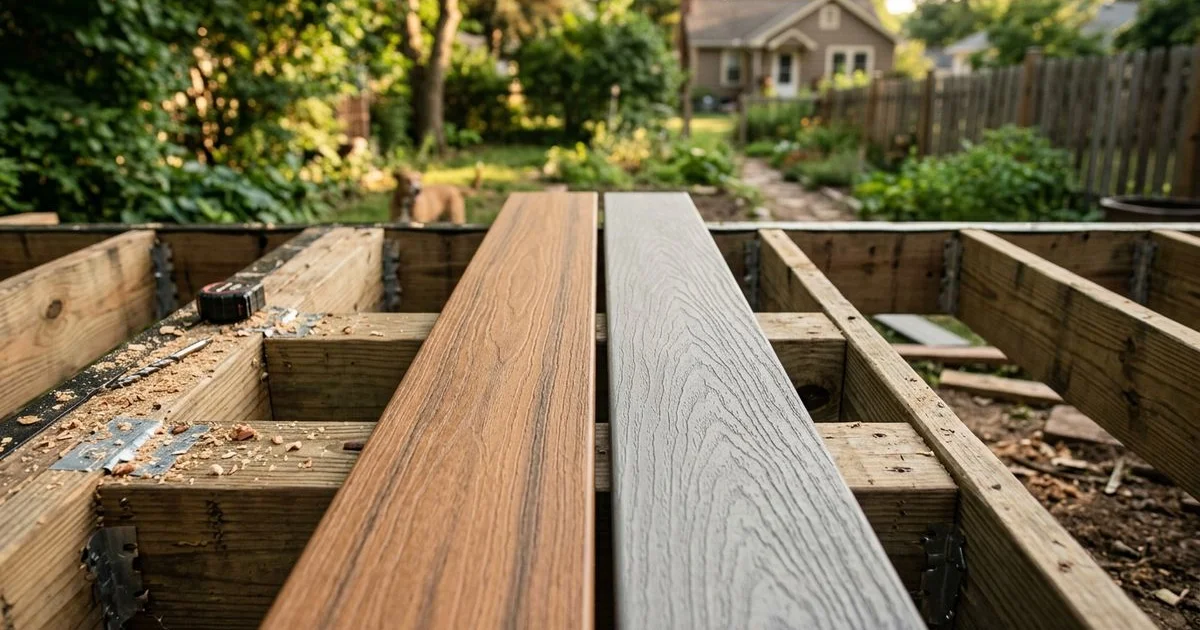
When homeowners start planning a new deck, two brand names dominate every conversation: TimberTech and Trex. Both companies manufacture high-quality composite boards that promise decades of low-maintenance performance, and both have loyal followings among builders and property owners alike. The challenge is determining which product line actually delivers the best combination of aesthetics, durability, and value for your specific project.
This guide compares the two brands across every category that matters, from product tiers and visual realism to heat performance, moisture resistance, warranties, and installed cost. The goal is to give you the data you need to choose confidently before spending thousands of dollars on your outdoor living space.

Understanding the Product Tiers
Comparing these brands requires matching products within the same price category. Evaluating a premium board against an entry-level option produces a misleading result. Here is how each manufacturer structures their 2026 product lineup.
Trex Lineup
Trex organizes its decking into four tiers. The entry-level Trex Enhance line carries a 25-year warranty and uses a scalloped bottom profile to reduce weight and material cost. Trex Select occupies the mid-range with a thicker, solid-core board and a 35-year warranty. The Trex Transcend line represents the premium sweet spot, offering 50-year coverage, deep wood grain embossing, and multi-chromatic color blending.
| Trex Product Line | Warranty Coverage | Key Defining Feature |
|---|---|---|
| Trex Enhance | 25 Years | Scalloped bottom profile |
| Trex Select | 35 Years | Thicker board design |
| Trex Transcend | 50 Years | Premium wood grain finish |
| Trex Signature | 50 Years | Minimalist aluminum aesthetic |
The newest Transcend Lineage boards deserve special attention. Their proprietary SunComfortable technology keeps the surface up to 35 degrees cooler than standard composite options, a significant benefit during summer months in Raleigh when deck surfaces in direct sun can exceed 140 degrees. The ultra-premium Trex Signature line takes a different design direction entirely, offering a sleek, aluminum-inspired minimalist aesthetic that competes with high-end architectural products.
TimberTech Lineup
TimberTech divides its catalog between wood-composite and fully synthetic PVC categories:
- TimberTech EDGE: The entry-level composite line, competing directly with Trex Enhance at a 25-year warranty.
- TimberTech PRO: Mid-range composites including the popular Legacy and Reserve collections, backed by a 30-year warranty.
- TimberTech Advanced PVC: The premium tier that eliminates wood fibers entirely, offering a 50-year fade warranty and lifetime structural coverage.
The PRO Legacy collection stands out for its hand-scraped, artisanal texture that convincingly mimics exotic hardwoods like Tigerwood and Ipe. The Advanced PVC line, formerly marketed under the AZEK brand, sits at the pinnacle of synthetic decking. Because these boards contain zero organic material, they are structurally immune to moisture absorption, rot, and mold.
Visual Realism: Which Brand Looks More Like Real Wood?
At the entry level, both manufacturers produce boards that clearly read as composite. They perform well and look clean, but nobody will mistake them for natural cedar. The visual gap opens significantly at higher price points.
Trex Transcend boards excel with deep grain embossing and layered color variation that creates convincing depth. TimberTech PRO Legacy answers with a slightly more complex, varied color palette and a hand-scraped surface texture.
At the premium end, TimberTech Advanced PVC Vintage boards set the industry benchmark for wood replication. Key visual features include:
- Wire-brushed finishes that eliminate artificial plastic shine.
- Low-gloss matte surfaces for natural light reflection.
- Complex multi-chromatic color blending within individual planks.
- Deep grain embossing that mirrors authentic hardwood texture.
Industry professionals generally give TimberTech the edge for sheer realism. For highly visible outdoor entertaining spaces in neighborhoods like North Hills or Inside the Beltline, where design impact directly affects property value, that visual advantage can justify the price premium.
Performance in Triangle Area Weather
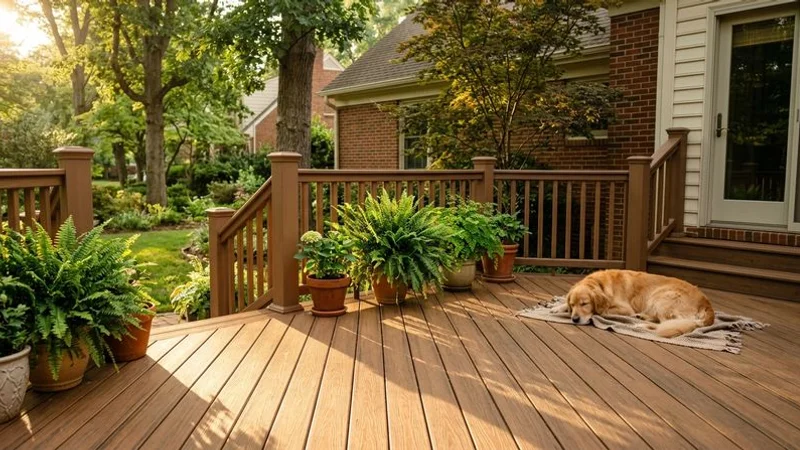
The Piedmont climate subjects deck surfaces to intense summer heat, heavy rainfall, high humidity, and dozens of freeze-thaw cycles each winter. How each material handles those conditions determines its real-world lifespan.
Heat Resistance
Standard dark composite boards reach surface temperatures of 130 to 150 degrees Fahrenheit during peak sun exposure. Independent 2026 testing data shows that Advanced PVC boards stay 10 to 15 degrees cooler than traditional wood-composite blends, making TimberTech’s premium tier the strongest performer for unshaded decks. Trex counters with the Transcend Lineage collection and its proprietary heat-mitigating technology. Lighter color selections in either brand will always deliver the most comfortable barefoot experience.
Moisture and Mold Protection
Humidity in the Raleigh area actively promotes mold and mildew growth on outdoor surfaces. Trex addresses this by applying a protective polymer shell to all four sides of every board, fully encapsulating the recycled wood-fiber core and blocking moisture entry from the top, bottom, and grooved edges. TimberTech PRO boards cap the top and bottom surfaces but leave grooved edges partially exposed, allowing trapped moisture to vent if water does penetrate the core.
For total moisture immunity, TimberTech Advanced PVC eliminates the question entirely. With zero organic wood fiber in the composition, these boards cannot rot, warp, or support structural mold under any conditions.
Fade Resistance
Modern capping technology has dramatically improved color stability for both brands. Trex Transcend and Signature lines carry 50-year fade and stain warranties. TimberTech matches that coverage duration on Advanced PVC products. Expect a slight, uniform lightening of darker colors during the first few months of UV exposure. Selecting a shade slightly deeper than your ideal color accounts for this expected settling.
Warranty Structures
Coverage varies significantly by product tier, so reading the fine print matters.
| Brand & Product Line | Structural Warranty | Fade & Stain Warranty |
|---|---|---|
| Trex Enhance | 25 Years | 25 Years |
| Trex Select | 35 Years | 35 Years |
| Trex Transcend | 50 Years | 50 Years |
| TimberTech PRO | 30 Years | 30 Years |
| TimberTech Advanced PVC | Lifetime | 50 Years |
Trex warranties are fully transferable to a second homeowner, adding tangible resale value. TimberTech Advanced PVC stands alone with a lifetime structural warranty. Registering your deck immediately after the final inspection is the best way to ensure full protection.
Installation and Handling Differences
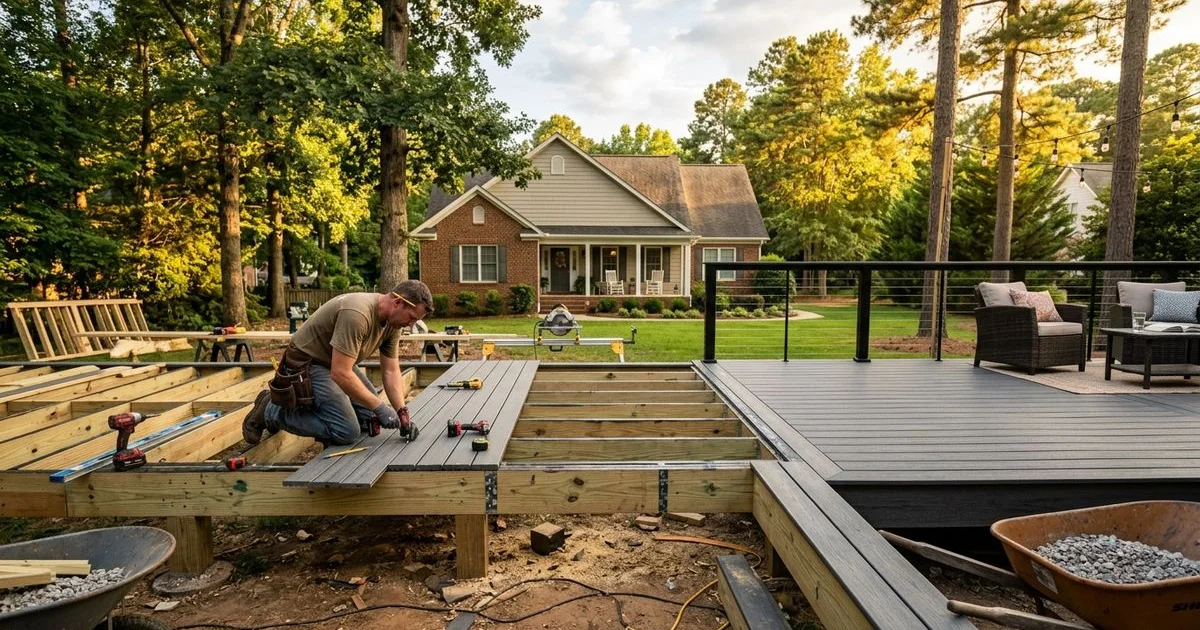
From a construction standpoint, the materials handle differently. Trex boards feature a slightly softer core that cuts easily with standard woodworking blades. TimberTech Advanced PVC requires specialized blades to prevent the plastic from melting during cuts. The pure PVC boards weigh up to 30 percent less than dense composites, reducing physical strain during large builds.
Both brands rely on hidden fastener systems for a clean, screw-free surface:
- Trex uses the Hideaway Universal Hidden Fastener with a glass-filled nylon clip.
- TimberTech requires proprietary CONCEALoc hidden fasteners for warranty compliance.
- Both systems require 16-inch on-center joist spacing for the underlying frame.
Matching railing systems from both manufacturers integrate seamlessly. Trex’s upgraded aluminum railing lines now compete directly with TimberTech’s premium architectural profiles.
Installed Cost Comparison
Pricing reflects 2026 averages for the US market, including materials, labor, and standard substructure framing:
- Entry-Level: Trex Enhance and TimberTech EDGE run $15 to $25 per square foot installed.
- Mid-Range: Trex Select and TimberTech PRO range from $25 to $35 per square foot.
- Premium: Trex Transcend and TimberTech Advanced PVC start around $60 and can reach $80 per square foot.
Upgrading from entry-level to premium on a standard 300-square-foot deck adds several thousand dollars. That investment buys advanced heat mitigation, dramatically better aesthetics, and warranty protection measured in decades rather than years.
Making the Final Decision
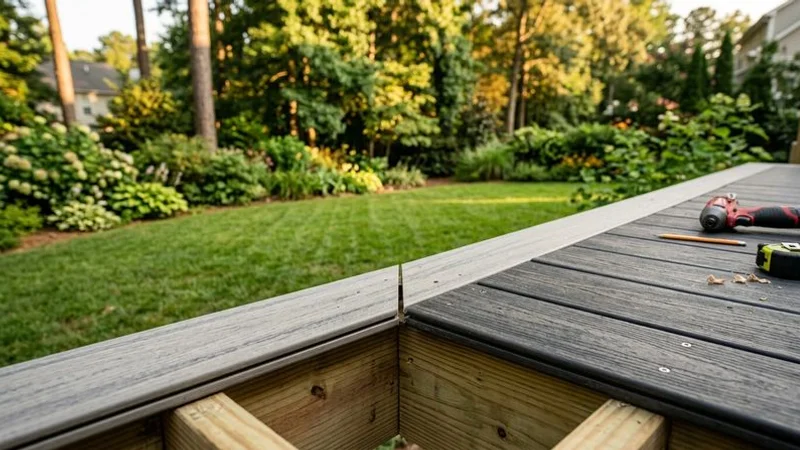
The performance gap between these two industry leaders is narrower than ever. Either brand will deliver a beautiful, long-lasting deck when installed correctly. A few distinctions can guide the final choice:
- Choose Trex if you value proven four-sided moisture capping, fully transferable warranties, and a strong environmental story (95 percent recycled content).
- Choose TimberTech if the most authentic hardwood appearance is your top priority, or if you want the total moisture immunity and lifetime structural warranty of the Advanced PVC line.
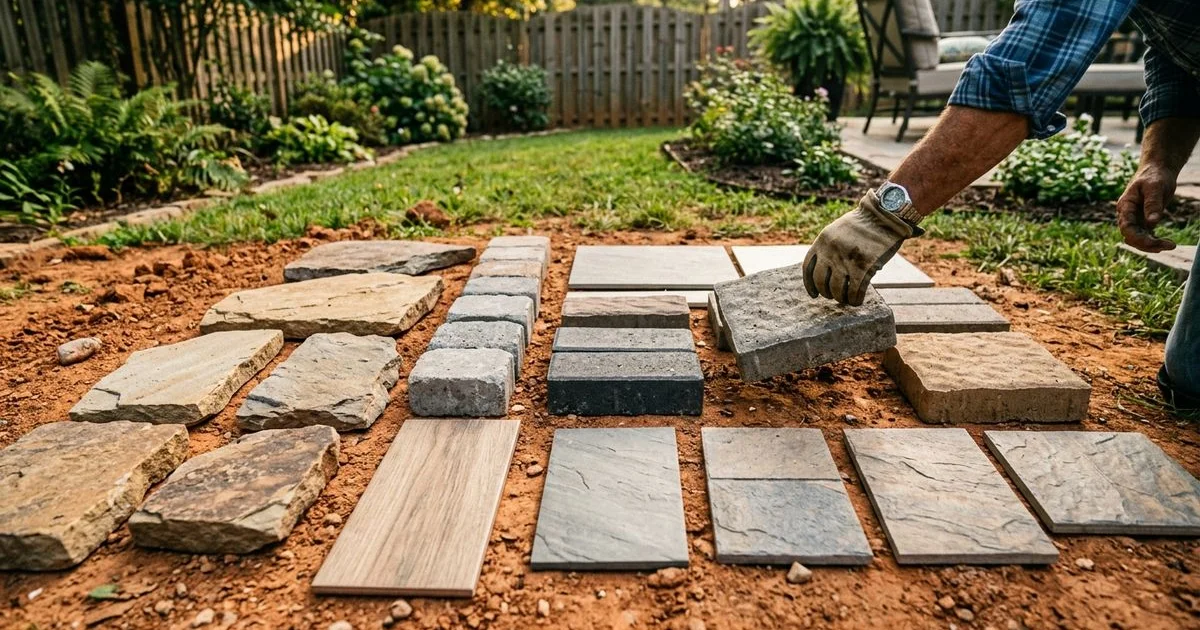
The best way to decide is to see and touch physical samples in natural sunlight. Hardscapes Raleigh connects homeowners with experienced deck building professionals who install both TimberTech and Trex with precision. Reach out to schedule a consultation, and we will bring the latest 2026 samples directly to your property so you can compare colors, textures, and grain patterns side by side before committing.