
Custom Pergolas & Shade Structures in Raleigh
Custom pergolas, pavilions, and shade structures for Raleigh outdoor living spaces, providing elegant overhead coverage and year-round comfort.
Why Overhead Coverage Changes Everything
A patio without shade is a patio you avoid from June through September. Summers here are hot and humid, with afternoon sun turning exposed hardscape into a surface you cannot comfortably sit on. The right overhead structure solves this problem while adding architectural definition, weather protection, and a sense of enclosure that transforms an open slab into an actual outdoor room.
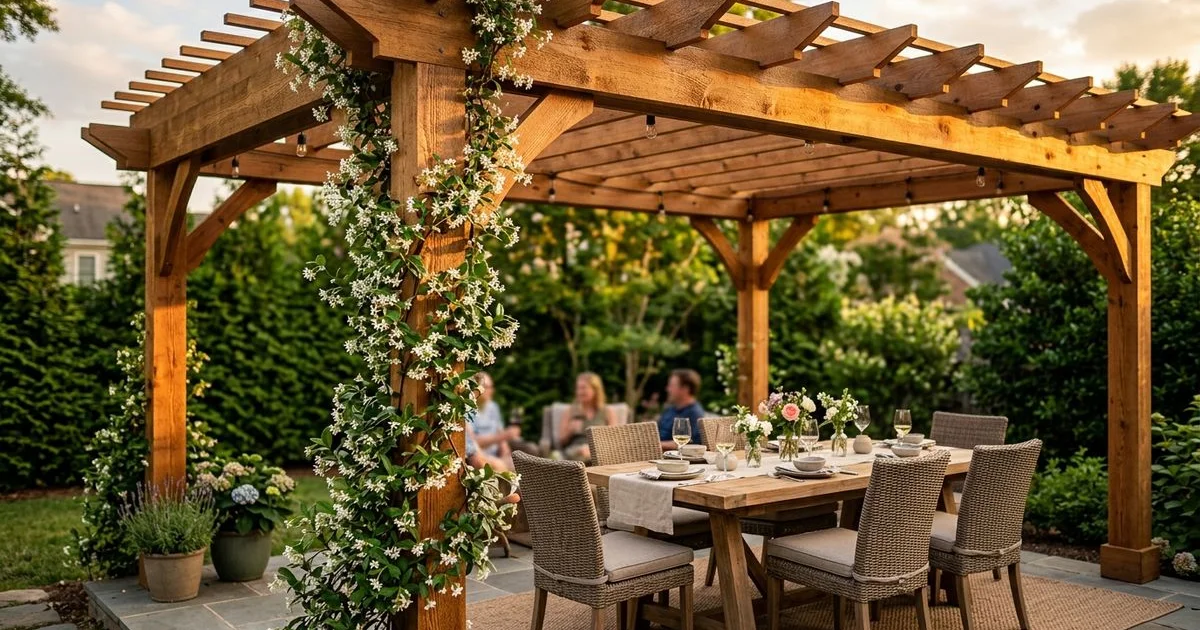
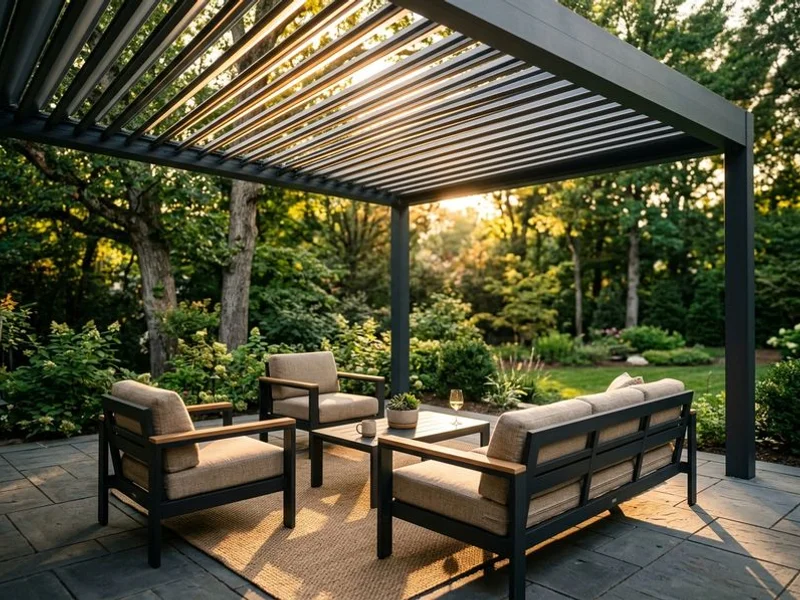
At Hardscapes Raleigh, we design and build custom pergolas, pavilions, and shade structures engineered for the Triangle’s specific conditions. Whether you want a traditional cedar frame draped in climbing jasmine, a contemporary aluminum structure with motorized louvers, or a fully roofed pavilion for complete weather protection, our team delivers structures built to last.
Material Options
Each material brings a distinct aesthetic and maintenance profile. The best choice depends on your design preferences, budget, and how much upkeep you are willing to handle.
Western Red Cedar - The classic pergola material. Cedar offers natural warmth, beautiful grain, and inherent resistance to rot and insects. Left to weather naturally, it develops a silver-gray patina. Stained, it maintains its original honey-brown tone. Cedar’s natural oils provide protection without chemical treatment.
Pressure-Treated Pine - An economical alternative that provides solid performance when properly maintained. Pine accepts stain and paint readily, and when finished with quality exterior stain, it serves well for 15 to 20 years.
Aluminum - For minimal maintenance and contemporary aesthetics, aluminum delivers exceptional longevity with zero wood-related upkeep. Powder-coated finishes come in a wide range of colors, including wood-grain effects. Aluminum is also the material of choice for motorized louvered roof systems.
Vinyl and Composite - Resistant to rot, insects, fading, and peeling, these materials maintain their appearance for decades with occasional cleaning.
Steel - For industrial and contemporary designs, steel creates bold architectural statements. Powder-coated or galvanized steel provides strength with minimal visual mass, allowing slender profiles impossible with wood.
Structure Types
Traditional Pergola - Open-rafter construction that filters sunlight and creates overhead architectural interest. Provides roughly 50 to 70 percent shade depending on rafter spacing and orientation. Makes an excellent trellis for climbing plants like wisteria, Confederate jasmine, and Carolina jessamine.
Louvered Pergola - Adjustable louvers rotate from fully open to fully closed for precise sun control. Motorized systems operate by remote, wall switch, or smartphone. Rain sensors automatically close louvers during precipitation. This is our fastest-growing product category among Triangle homeowners.
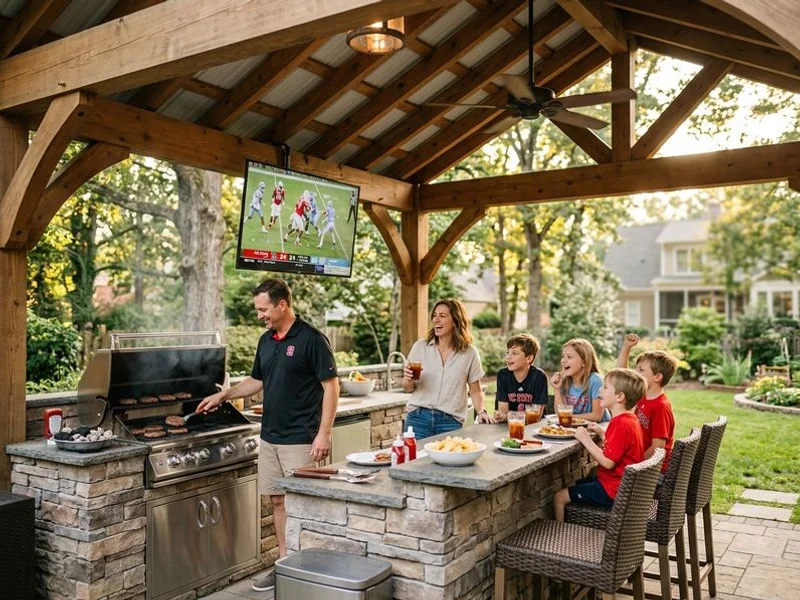
Pavilion - A fully roofed structure providing complete protection from sun and rain. Ideal over outdoor kitchens, dining areas, and lounging spaces. Roofing options include shingles to match your home, standing-seam metal, and polycarbonate panels.
Sail Shade - Tensioned fabric panels stretched between anchor points for contemporary geometric shade. Visually striking and relatively affordable, sail shades can be configured in overlapping triangles or rectangles for both variety and comprehensive coverage.
Retractable Canopy - Motorized or manual fabric systems that extend and retract on demand. Mounted beneath pergola rafters or on freestanding tracks, they offer flexibility that fixed-roof structures cannot.
Engineered for the Triangle
Every structure we build accounts for the specific loads and weather the Triangle presents.
Wind Loads - The Triangle experiences periodic severe storms with gusts exceeding 60 miles per hour. Post footings, connection hardware, and framing are sized to meet or exceed local code requirements for wind resistance.
Sun Orientation - We analyze your property’s solar exposure to optimize rafter direction and shade coverage for the hours you use your space most. The priority is typically addressing intense western afternoon sun from May through September.
Attachment Details - Structures attached to your home’s exterior use engineered flashing, lag bolts into structural framing, and waterproof membrane details that maintain the building envelope’s integrity.
Foundation - Post footings are sized based on structural load calculations and soil bearing capacity. In Wake County’s clay soil, this means concrete footings extending below the frost line with appropriate diameter. Sonotube or poured footings with post bases keep wood above grade to prevent moisture wicking.
Features That Make the Difference
Our pergolas frequently incorporate additions that elevate functionality and comfort.
- Ceiling Fans - Outdoor-rated fans provide air circulation that makes covered spaces noticeably more comfortable during humid Triangle summers.
- Integrated Lighting - Recessed downlights, pendant fixtures, and LED strips create layered illumination for evening enjoyment.
- Heaters - Infrared patio heaters extend comfortable outdoor use into cooler months.
- Speakers - Weatherproof speakers deliver music without freestanding enclosures.
- Curtains and Screens - Outdoor drapery and motorized screening provide privacy, wind protection, and insect exclusion.
- Climbing Plants - Pergola rafters naturally support climbing plants. Confederate jasmine, crossvine, and wisteria are excellent choices for the Triangle, adding fragrance, color, and living shade.
Choosing Between a Pergola and a Pavilion
This is one of the most common questions we hear. The answer depends on how you plan to use the space.
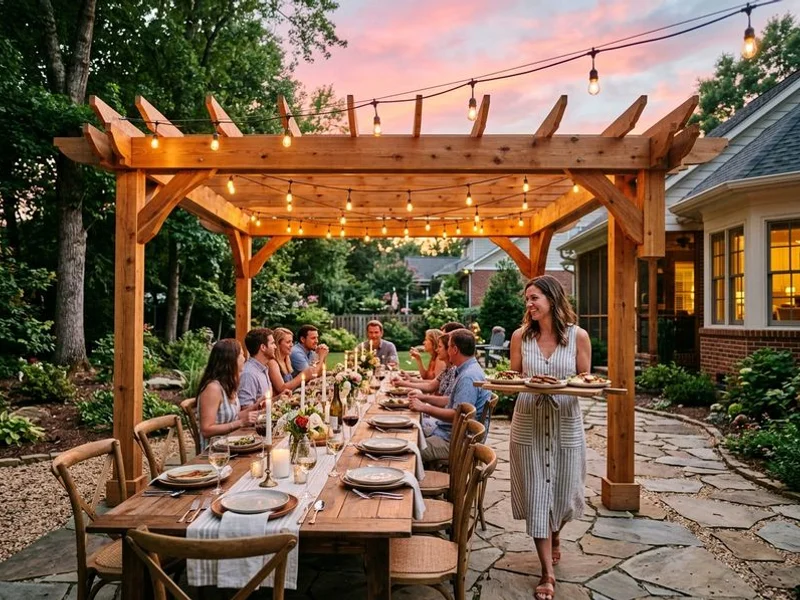
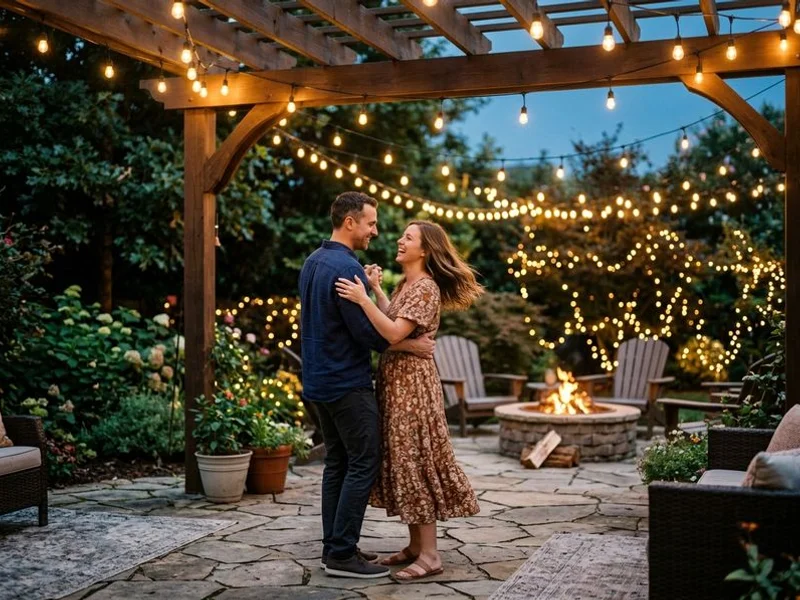
A pergola works best when you want architectural definition and partial shade while maintaining a connection to the open sky. It is ideal for patio dining areas, garden transitions, and spaces where climbing plants add seasonal character. The filtered light creates a pleasant dappled effect.
A pavilion is the right choice when you need complete weather protection, particularly over an outdoor kitchen or dedicated dining space where rain would interrupt use. Pavilions keep furnishings and electronics dry and provide reliable coverage regardless of conditions.
Many Raleigh homeowners combine both: a pavilion over the cooking and dining area with a pergola extending the covered space into the yard for a more open feel.
Permitting and Compliance
Most pergola and shade structure installations in the Raleigh area require building permits. Wake County reviews structural plans, setback compliance, and engineering before issuing permits. Many HOAs in Cary, Apex, and Wake Forest impose additional requirements for height, materials, colors, and placement. We manage the complete permitting process, ensuring your structure passes inspection without delay.
Get Started
Contact Hardscapes Raleigh for a complimentary consultation and discover how a custom shade structure can extend your outdoor season and transform your property. We serve homeowners throughout Raleigh, Durham, Cary, and the surrounding Triangle communities.
Get a Custom Pergolas Design for Your Property
Free on-site consultation with no obligation. See your project visualized before any work begins.
Request Your Free QuotePergolas Projects in Raleigh
Pergolas Questions & Answers
What happens when I request a consultation?
When you reach out, we learn about your project goals, timeline, and budget. Then we match you with a vetted local hardscape professional who specializes in your type of project. Your contractor will visit your property, discuss design options, and provide a transparent quote.
How long does a typical hardscape project take?
Timelines depend on the scope of work. A standard paver patio installation typically takes 1-2 weeks, while a full backyard transformation with multiple features may take 4-8 weeks. Your matched contractor provides a detailed schedule before work begins so you know exactly what to expect.
Do I need a permit for a patio or deck project?
Most deck projects in Wake County require a building permit, especially if the structure is attached to the house or elevated. Patio installations generally don't need permits unless they involve significant grading or retaining walls. The contractor we match you with handles all permitting requirements.
Is the work covered by a warranty?
Yes, all contractors in our network stand behind their craftsmanship with warranties. Material warranties vary by manufacturer, and workmanship warranties cover the installation itself. Specific warranty terms are detailed in your project agreement before work begins.
Do pergolas require building permits?
Most attached pergolas and larger freestanding shade structures require a permit in Wake County. Your contractor handles all permitting as part of the project, making sure the structure meets local building codes and any HOA requirements in your neighborhood.
Ready to Start Your Pergolas Project?
Schedule a free, no-obligation design consultation. We visit your property, discuss your vision, and provide transparent pricing before you commit.
Get Your Free Consultation